Published : 2026-02-08
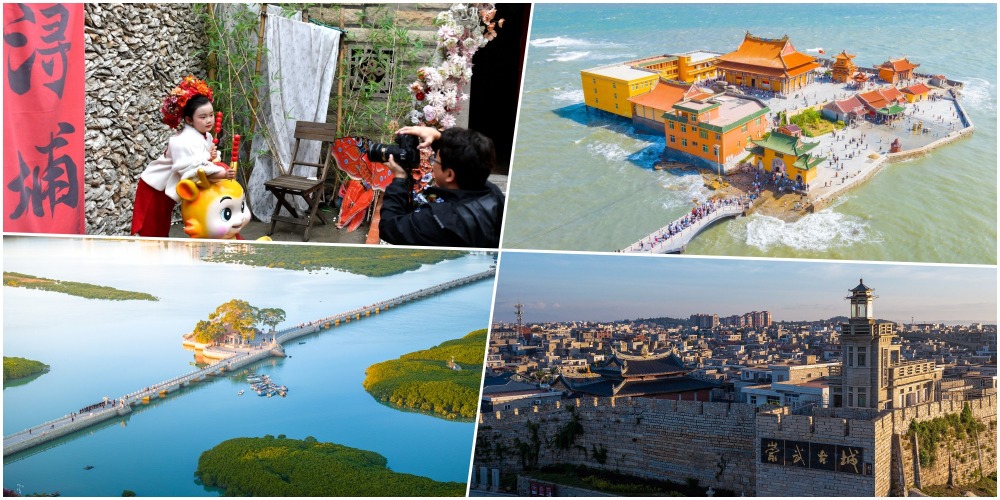
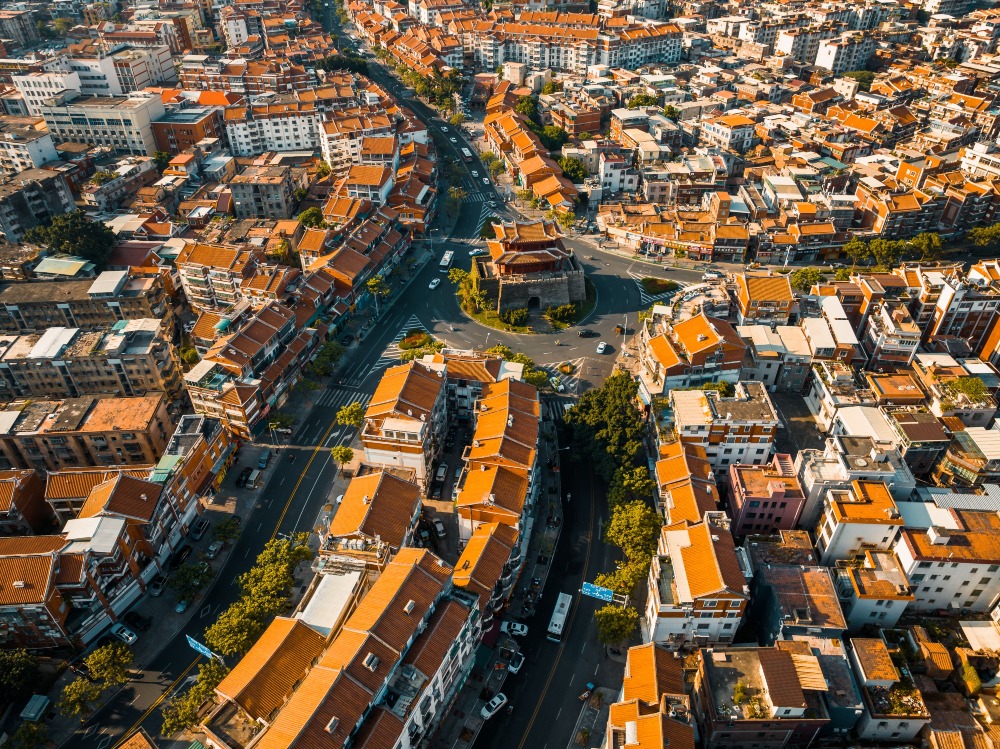
Since late last month, high-speed rail services from Hong Kong's West Kowloon Station have added direct links to Quanzhou in Fujian. The journey takes just over four hours to reach this ancient city, famed for its red walls and dark-tiled roofs.
Historically known as Citong, Quanzhou was the starting point of the Maritime Silk Road and a leading port in the Song and Yuan eras. It is often described as a place where "earthly vibrancy meets spiritual tranquility"—a charm best discovered from its historic old town.
Song-Yuan Maritime Trade Centre
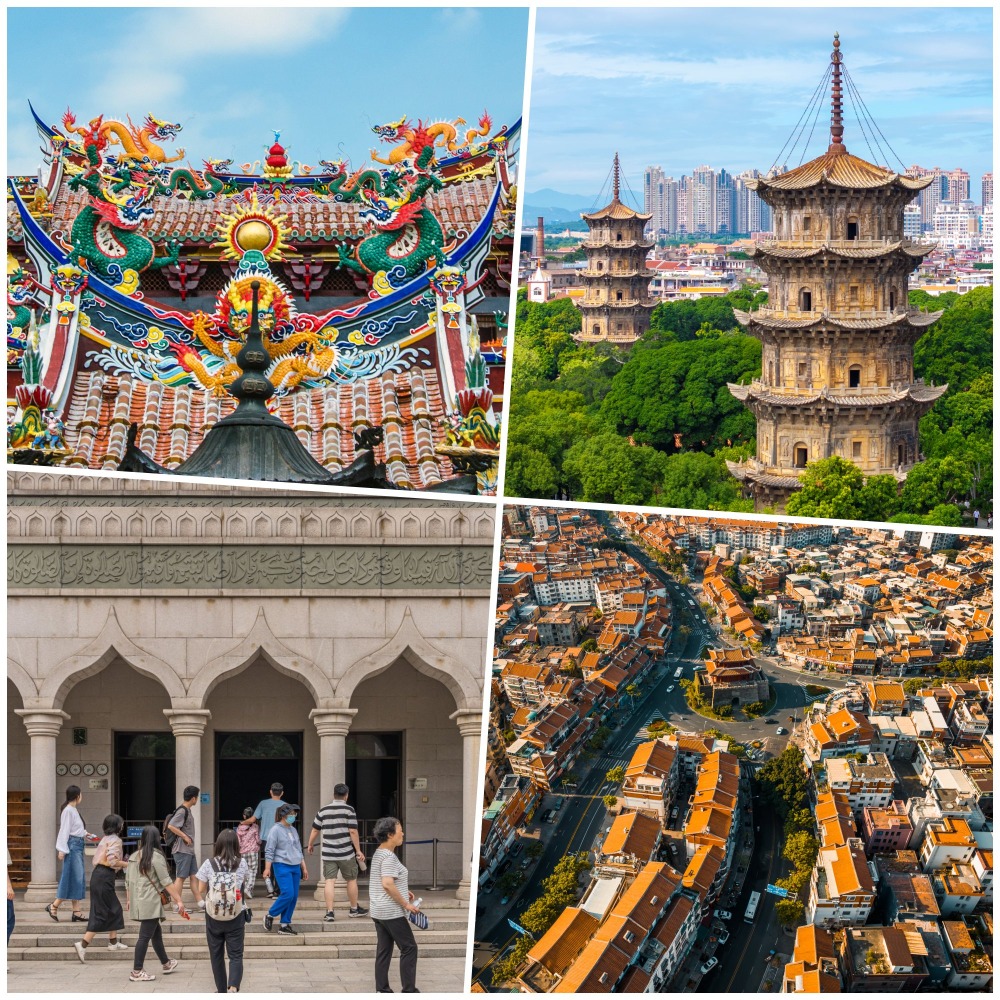
Quanzhou in Fujian was inscribed on the UNESCO World Heritage List in 2021; the collection of sites embodies the vibrancy of Quanzhou as a world maritime trade centre from the 10th to the 14th century CE (the Song and Yuan dynasties).
Driven by trade, Quanzhou at that time was home to tens of thousands of merchants and missionaries who had travelled from afar from various Asian and African countries, especially Arab nations, creating a Quanzhou where Eastern and Western cultures converged.
Quanzhou is often called the "Museum of World Religions." Over a thousand years, diverse religions and folk beliefs have taken root and coexisted peacefully here, leaving behind rich historical sites.
The "half divine" aspect of the city stems precisely from its dense array of temples, pagodas, places of worship, and its deep-rooted religious devotion.
The phrase "half worldly charm, half divine serenity" captures how Quanzhou seamlessly blends everyday urban life ("worldly charm") with spiritual belief ("divine serenity"), creating a unique realm where the human and the sacred coexist.
Divine lots at Guan-Yue Temple, ornate roofs of Minnan art
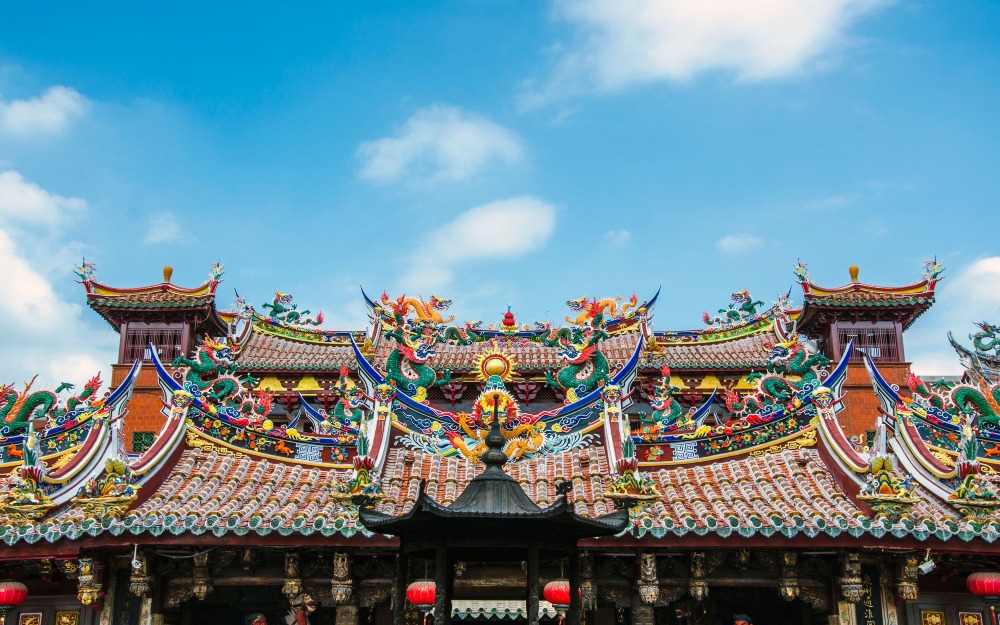
When it comes to blending daily life with divine faith, nowhere is this more vividly embodied than at the bustling Quanzhou Guan-Yue Temple.
Located on Tumen Street in Licheng District, Tonghuai Guan-Yue Temple draws crowds of devotees who seek its famously accurate fortune sticks. Whether for matters of love, studies, career, or health, locals readily visit to seek divine guidance.
During the Ming dynasty, the site was a modest "Guan Wang Temple," dedicated to the heroic figure Guan Yu. In 1914, worship of the loyal general Yue Fei was added, and it was renamed "Guan-Yue Temple."
Read more: A journey on Duku Highway: China's most scenic highway
Stepping into the magnificent Guanyue Temple, what catches your eye are the brightly coloured sculptures on the roof ridge, featuring Kian-sit dragon sculptures full of Southern Fujian characteristics, with various shapes, complemented by flowers, birds, and beasts, which are a feast for the eyes.
Walking into the temple, the wood carvings, stone carvings, and clay sculptures inside are equally exquisite. It is fascinating to worship and tour at the same time.
The temple also preserves huge, famous plaques written by the great Song dynasty Confucian scholar Zhu Xi and the Ming dynasty calligrapher Zhang Ruitu, which are rich in cultural significance.
Guanyue Temple
Address: No. 186-198, Tumen Street, Licheng District, Quanzhou City, Fujian Province
Opening hours: 05:30-18:30
Qingjing Mosque: The oldest mosque in China
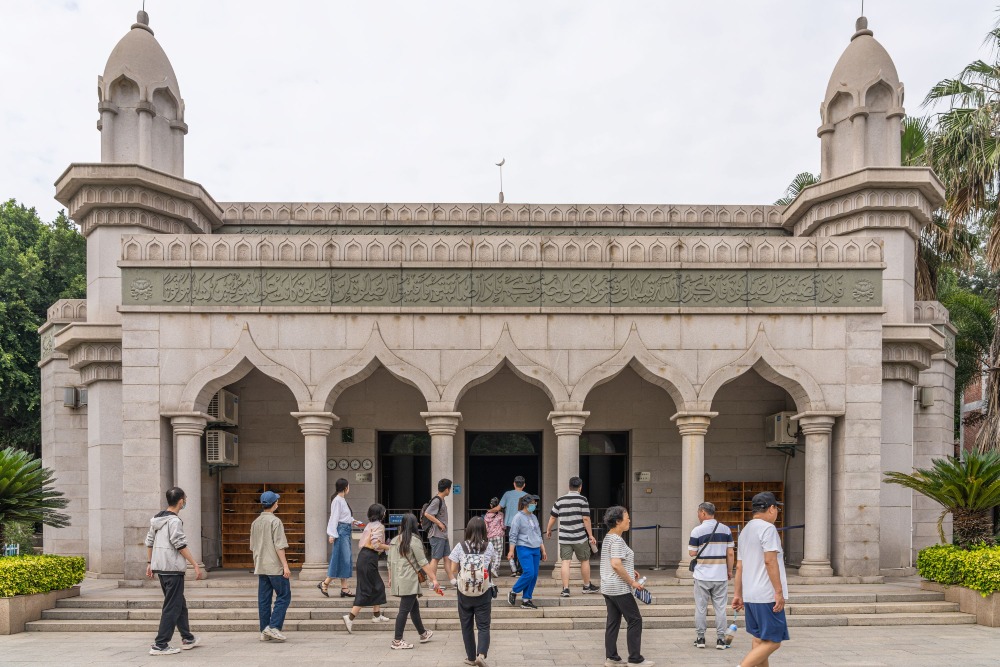
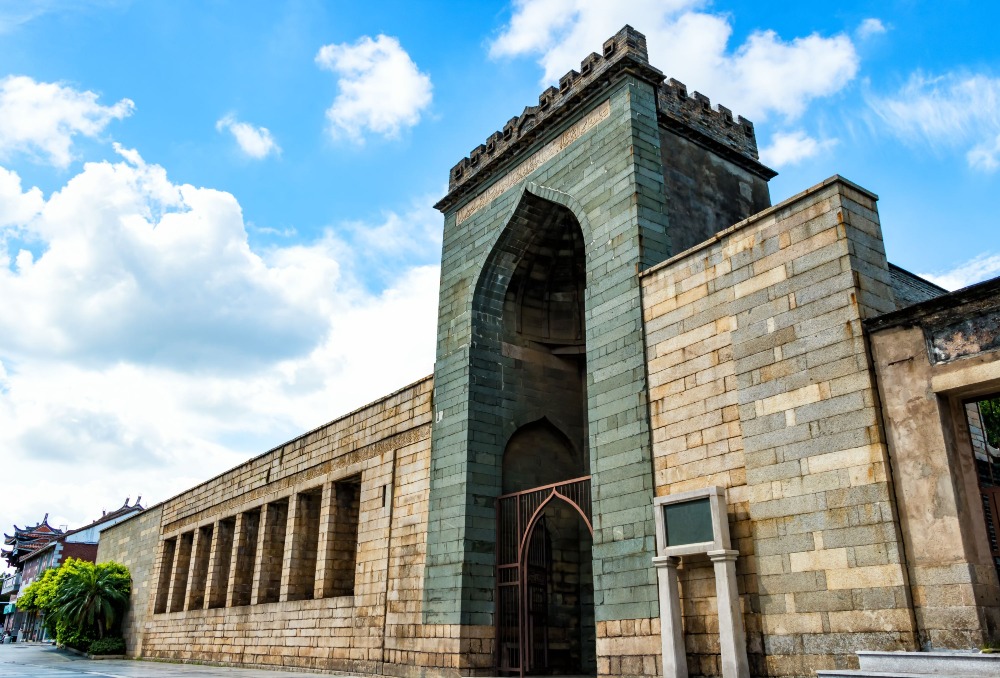
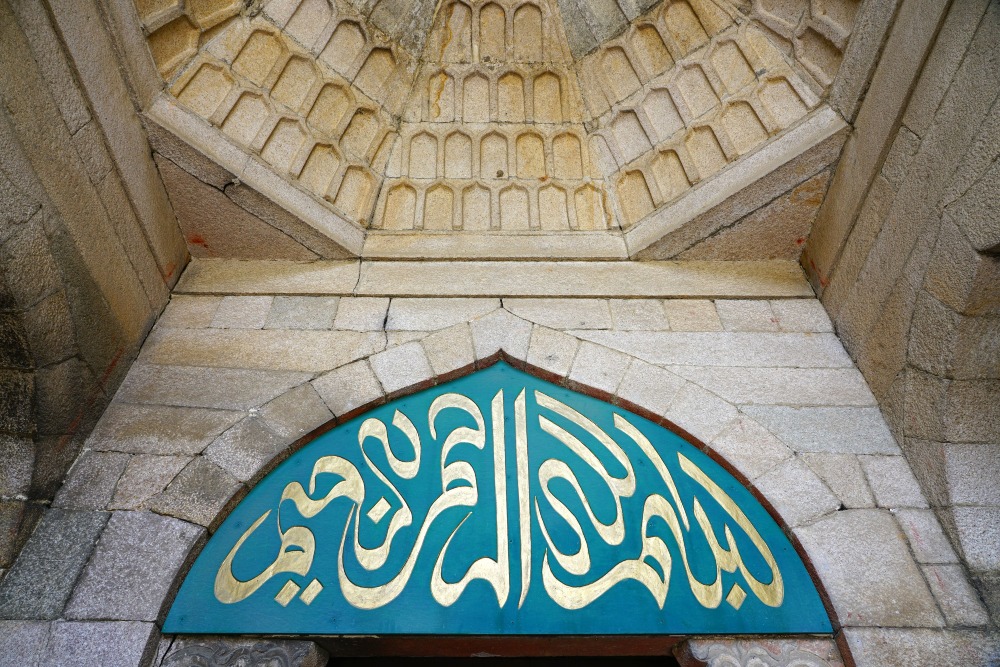
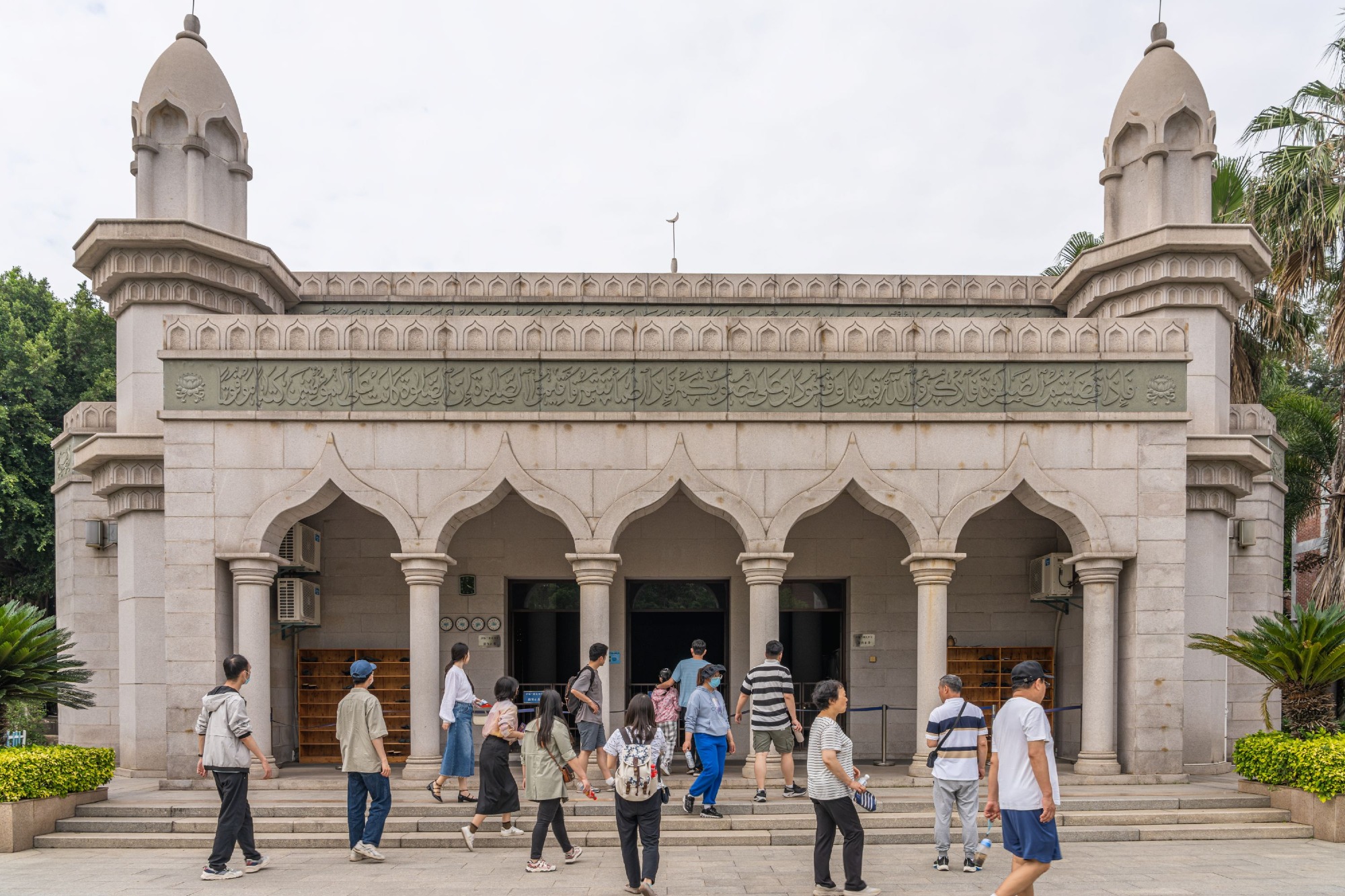
Not far from Guanyue Temple, is China's oldest existing Islamic mosque—Qingjing Mosque.
For a thousand years, the two completely different temples have faced each other day and night, coexisting harmoniously across faiths, which is the best portrayal of Quanzhou's diversity and inclusiveness.
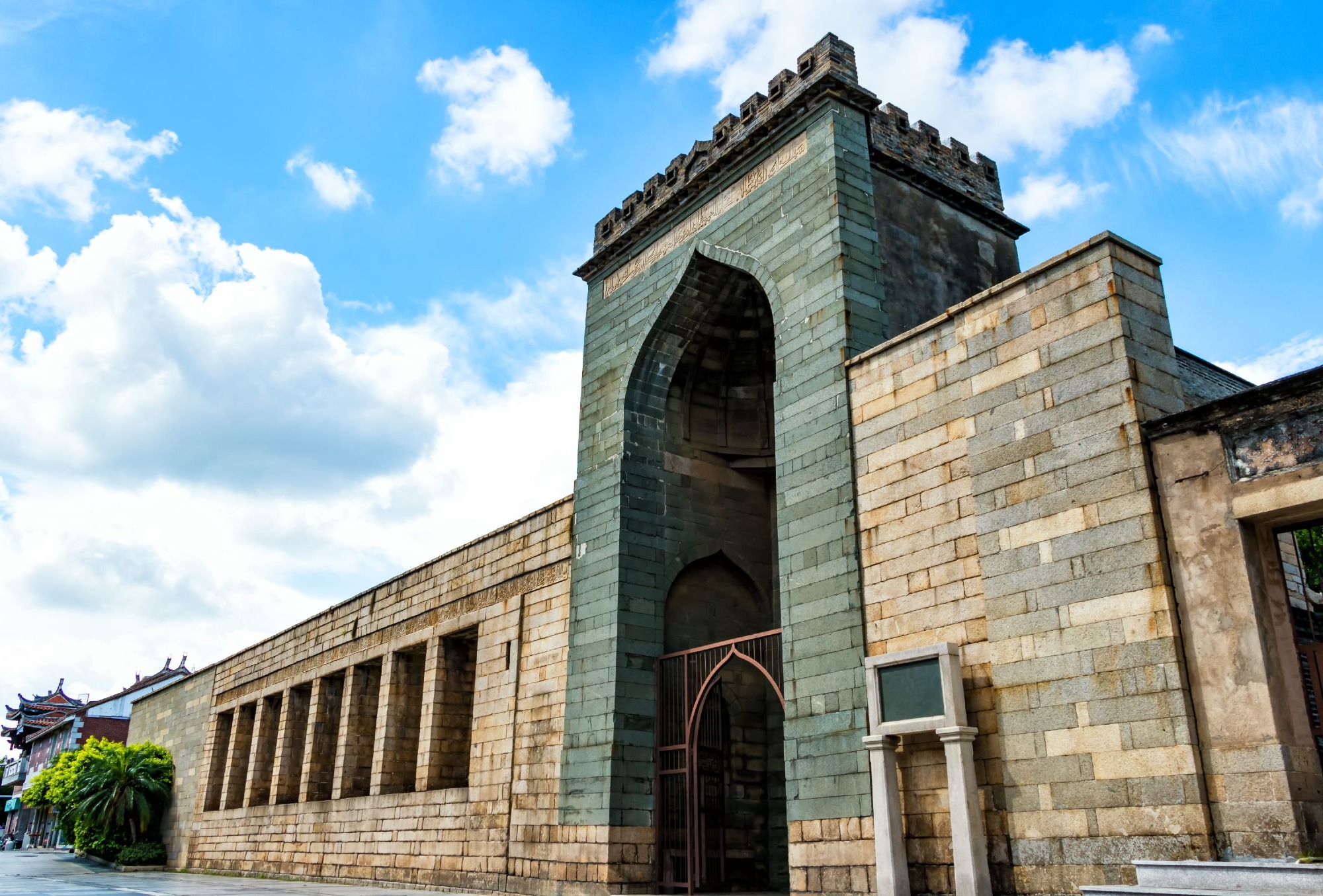
Qingjing Mosque, built in the second year of the Dazhong Xiangfu era of the Northern Song Dynasty (1009), is an important testament to Quanzhou's role as the starting point of the ancient Maritime Silk Road.
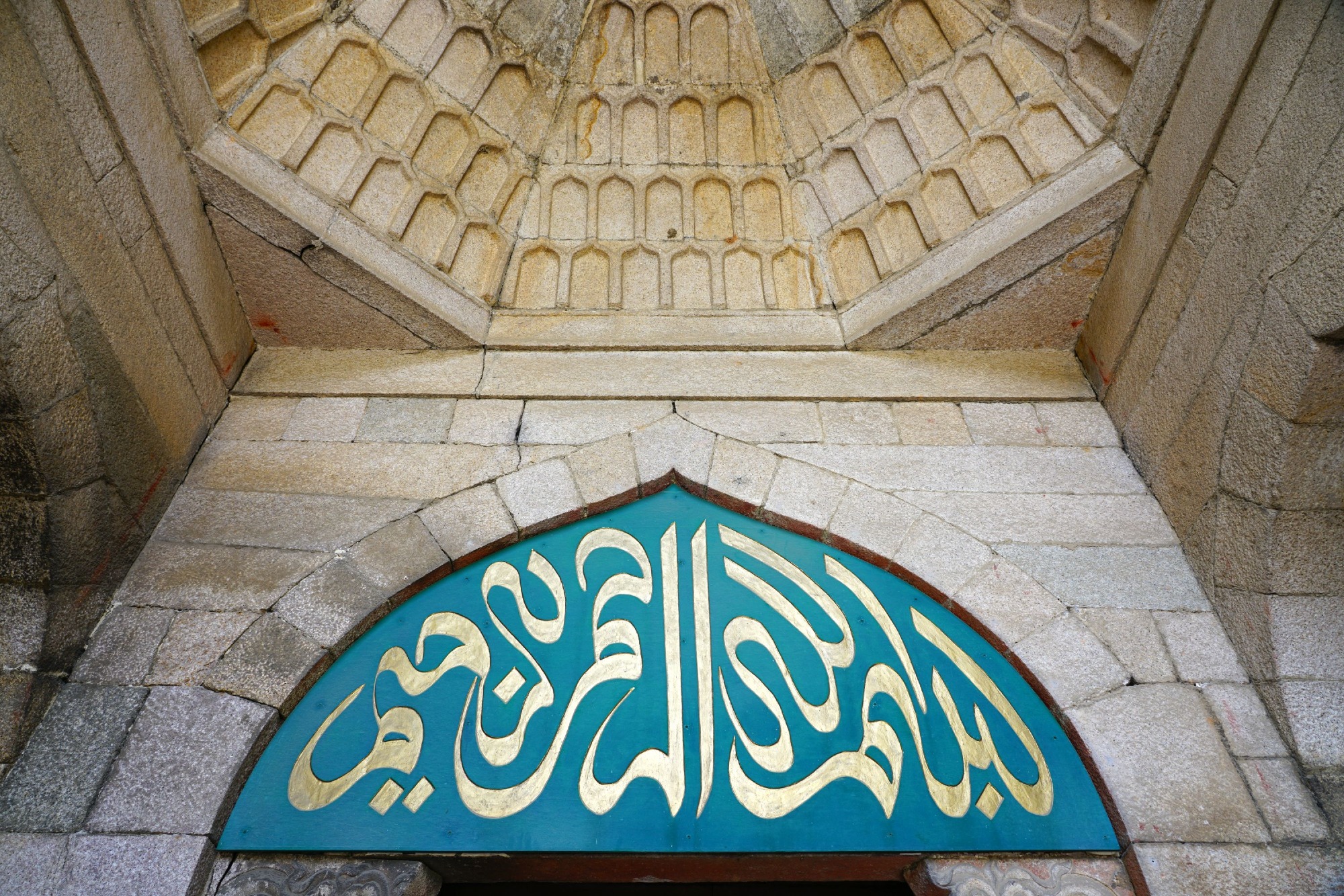
The mosque was built using white granite and diabase, which are rarely seen in the Chinese Mainland, and is modelled on the design of the prayer hall in Damascus, Syria.
The magnificent pointed arch dome stands out brilliantly among the surrounding Southern Fujian red bricks, displaying a distinct exotic charm.
The cultural relics displayed at Qingjing Mosque all have deep meanings: the Yuan dynasty "Stele on the Re-establishment of Qingjing Mosque" tells of the prosperous period when six or seven mosques coexisted in Quanzhou, while the Ming dynasty "Imperial Edict Stele" explicitly forbade neglecting and bullying Muslims.
These artefacts, witness the acceptance and tolerance of foreign religions by emperors throughout history.
Qingjing Mosque
Address: No. 108-110, Tumen Street, Licheng District, Quanzhou City, Fujian Province
Ticket: 3 yuan
Opening hours: 09:00-17:30
Kaiyuan Temple: Fujian's largest buddhist temple
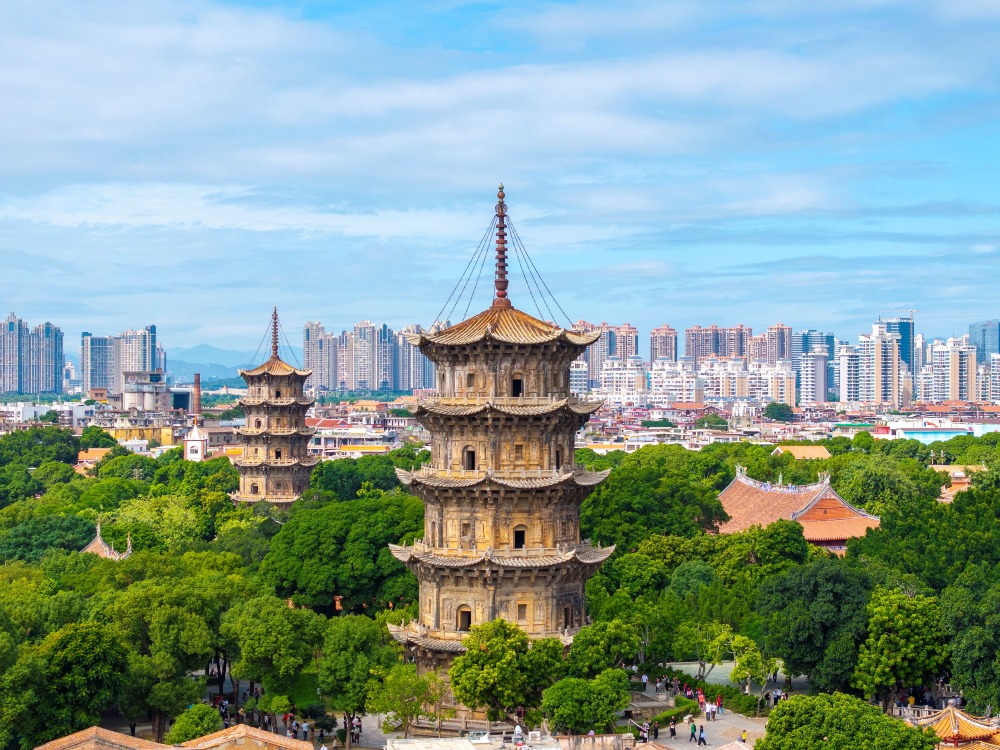
When it comes to the religious architecture of Quanzhou, Kaiyuan Temple is undoubtedly its soul.
Kaiyuan Temple is the largest Buddhist monastery in Fujian Province, first built in the second year of the Chuigong era of the Tang Dynasty (686), and has a history of over 1,300 years to date.
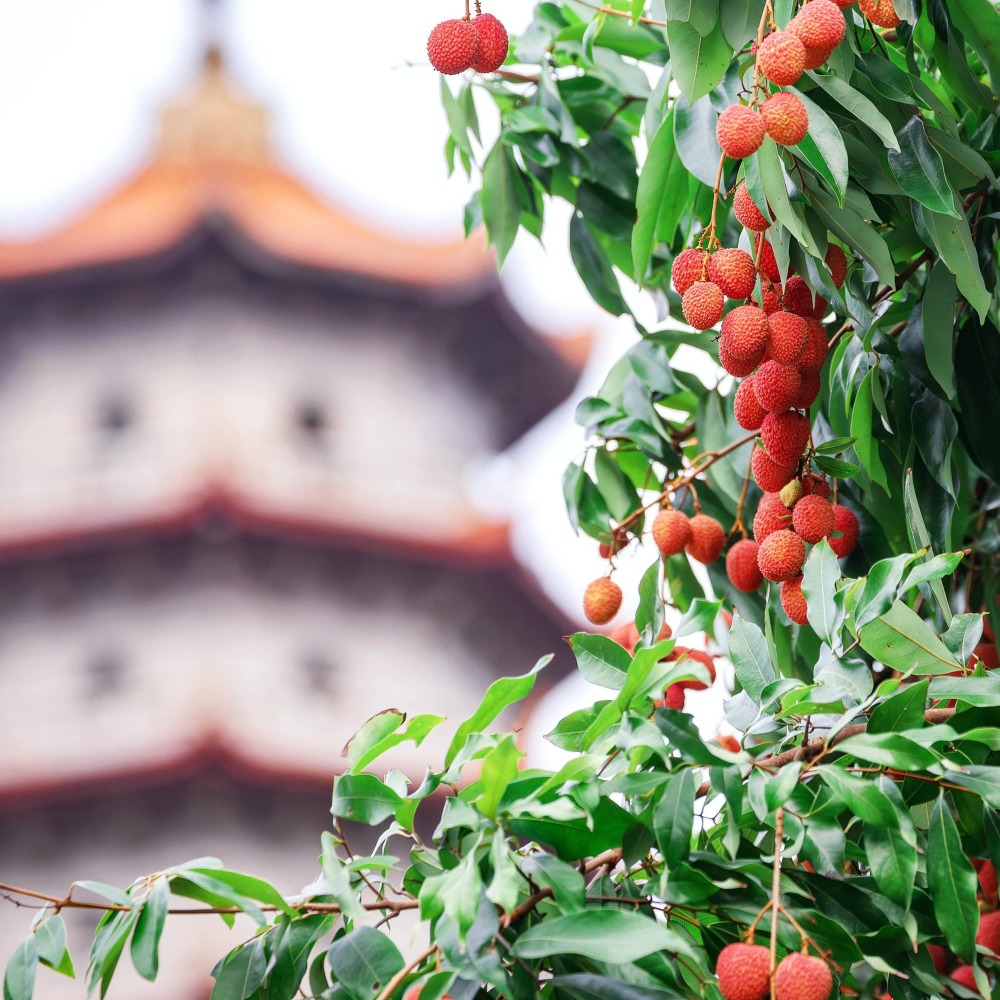
The most representative features of Kaiyuan Temple are the two east and west stone pagodas that have stood for a thousand years, which are the tallest pair of existing Song dynasty stone pagodas in China.
The east one is the "Zhenguo Pagoda", 48 metres high, and the west one is the "Renshou Pagoda", 45 metres high.
Both pagodas were originally wooden structures, and were rebuilt with granite in the Southern Song dynasty. Although they are stone pagodas, their structure completely imitates the features of octagonal pavilion-style pagodas, showcasing the exquisite craftsmanship of stone construction.
Viewing the twin pagodas from a distance, eight iron chains are wound diagonally from the finials and tied to the eight corner ridges, and a small bronze bell hangs below each corner ridge.
Looking at the details up close, the relief carvings on the outside of the pagodas are exquisitely crafted, one could say they possess a charm whether viewed from afar or near, high or low.
Kaiyuan Temple
Address: No. 176, West Street, Licheng District, Quanzhou City
Opening hours: 06:30-17:40
Western Street: Vibrant hub of the old city
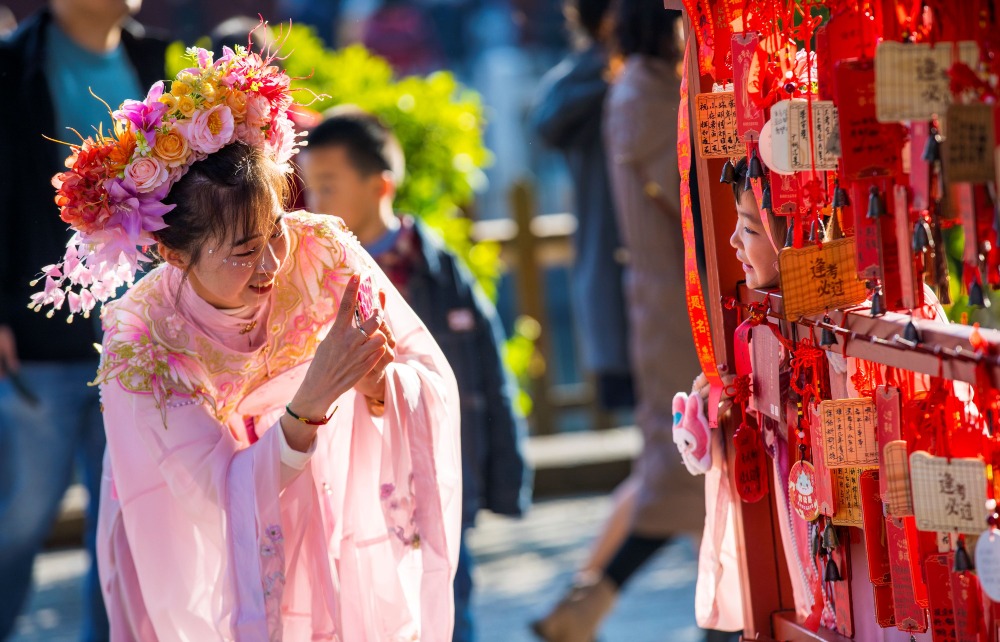
When it comes to the most vibrant landmark in Quanzhou's ancient city, Western Street undoubtedly takes the crown. As the best‑preserved thousand‑year‑old street in the city, it blends time‑honoured "old‑school" eateries with creative boutiques, making it the ideal starting point for exploring the old town.
On your next visit, why not adorn the traditional Zanhuawei headdress and wander among the red‑brick houses and southern‑style arcades?
Along the way, savour local specialties like ginger‑braised duck, savoury sticky rice dumplings, cooling herbal jelly, and colourful mixed fruit soup.
Walk between the "divine" sites and "everyday" hotspots and discover for yourself the unique charm of a city "half earthly, half holy."
Read more: High-Speed Rail Travel|Explore Hunan with new Zhangjiajiexi route